Planning a Trip to Iraq and the Kurdistan Region
Interest in travel to Iraq has grown in recent years. These practical notes cover seasons, entry rules, money, dress and etiquette, with one firm rule: check official advice first.
For a long time Iraq was a country that very few people visited for pleasure. That has been changing. Archaeology enthusiasts, pilgrims, food lovers and curious travellers now come to see Babylon, the marshes, Baghdad's old quarters and the mountains of the north. Conditions vary a great deal from region to region and can change quickly, so treat these notes as a starting point rather than a guarantee.
First: official advice
Before planning anything, read the current travel advice issued by your own government and check whether your travel insurance covers the places you intend to go. Advice often distinguishes between different provinces, and the Kurdistan Region is sometimes treated differently from federal Iraq. Take this seriously; it also affects what help is available if something goes wrong.
Entry rules
In recent years Iraq has widened visa access for many nationalities, including visas on arrival or electronic visas, but the lists and procedures change. The Kurdistan Region has historically had its own arrangements at Erbil and Sulaymaniyah airports. Always check the current rules through official channels shortly before you travel, and make sure your passport has plenty of validity remaining.
When to go
- Spring (March to May) is the most pleasant season almost everywhere, with green hills in the north.
- Autumn (October to November) is also comfortable, especially for the south.
- Summer is extremely hot in Baghdad and Basra, often well above 45 °C, though the northern mountains are cooler.
- Winter is mild in the south and can bring snow to the mountains.
Also check the religious calendar. During Ramadan, eating in public in daylight is best avoided, and during major pilgrimages such as Arbaeen the roads to Karbala and Najaf are extremely busy.
Money
Iraq is still largely a cash economy. The Iraqi dinar is used everywhere, and US dollars are widely accepted for larger amounts. Card payments and ATMs are increasingly available in big cities and hotels, but do not rely on them outside major centres. Carry clean, undamaged banknotes.
Dress and etiquette
Modest clothing is the norm: covered shoulders and knees for everyone, and a headscarf for women at religious sites, where an abaya may also be required. Hospitality is a point of pride; accept tea when offered. Always ask before photographing people, and never photograph checkpoints, soldiers or government buildings.
Getting around
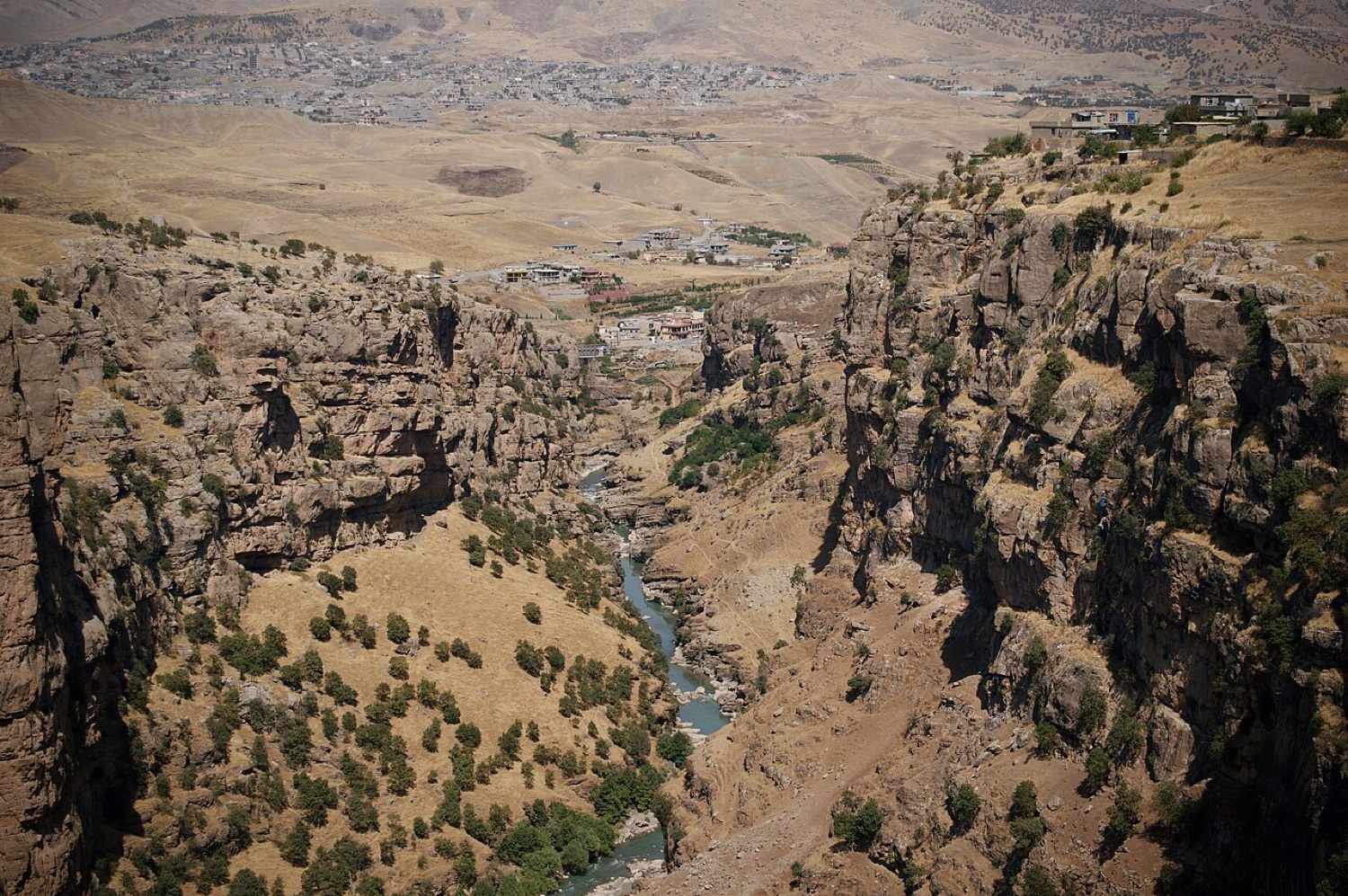
Domestic flights connect Baghdad, Basra, Najaf, Erbil and Sulaymaniyah. Roads link the main cities, with checkpoints along the way, so keep your passport handy. Many visitors use a local guide or driver, which makes navigating permits and checkpoints much easier. In the north, scenic routes lead from Erbil to the gorge at Rawanduz and further into the mountains along the old Hamilton Road, built in the late 1920s and early 1930s.