The Mandaeans: One of Iraq's Oldest Faith Communities
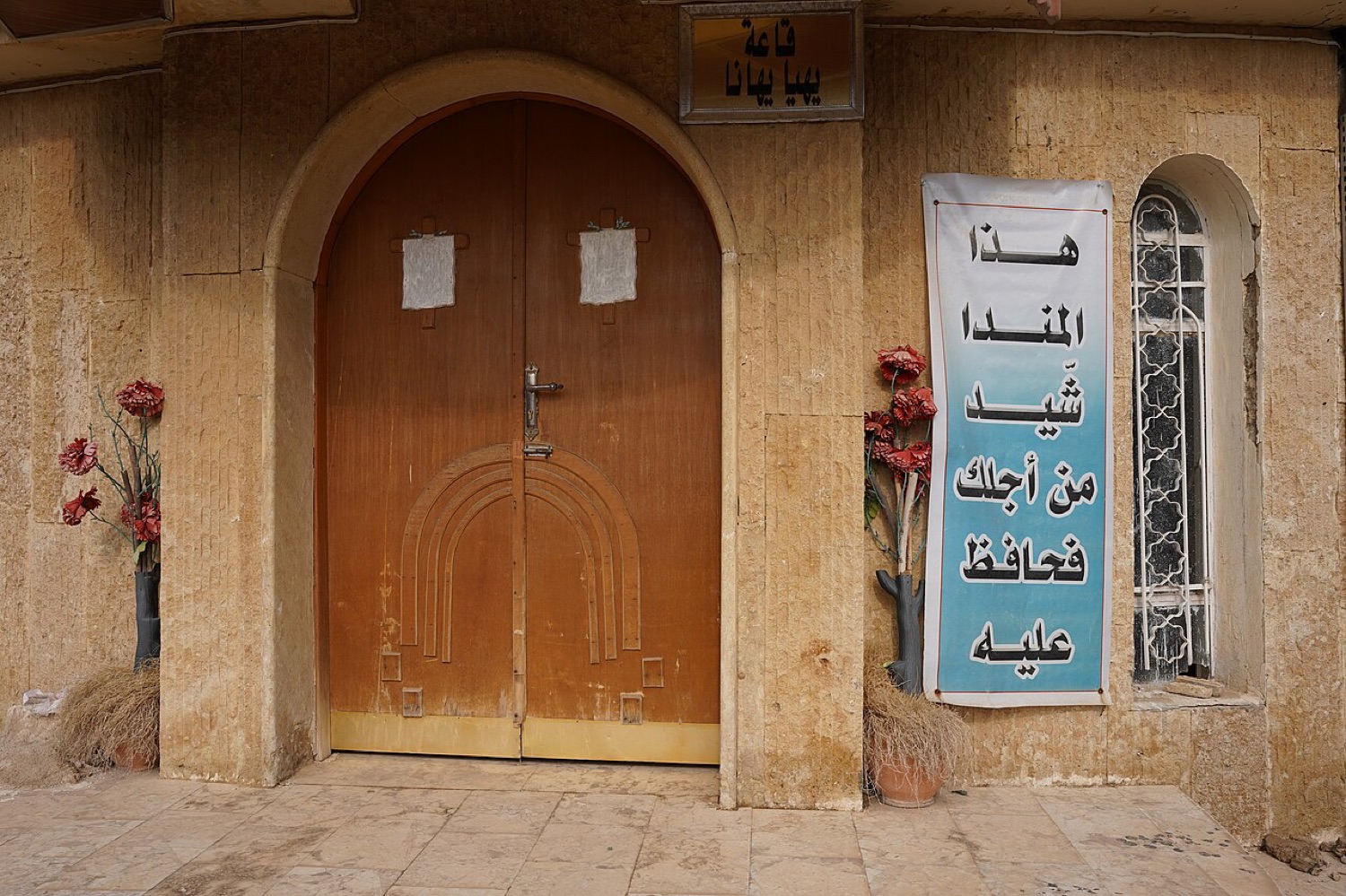
The Mandaeans have lived beside the rivers of southern Iraq and south-western Iran for many centuries. A short, respectful introduction to their faith and traditions.
The Mandaeans are a small religious community whose roots lie in the wetlands and river towns of southern Mesopotamia and the neighbouring Iranian province of Khuzestan. Their faith is often described as gnostic, and its origins are debated by historians, but it is certainly very old, with a literature written in its own script and in Mandaic, a form of Aramaic.
Beliefs and scripture
Mandaeans believe in one supreme, transcendent being, a world of light and a soul that returns to it after death. They honour John the Baptist, known to them as Yahia Yuhana, as a great teacher, while not regarding him as the founder of their religion. Their most important scripture is the Ginza Rabba, "the Great Treasure", and their priests preserve a body of ritual texts and commentaries copied by hand over generations.
Living water
Water is at the centre of Mandaean religious life. Baptism, called masbuta, is not a one-time event but a rite repeated throughout life, and it must be performed in flowing, "living" water. That is why Mandaean communities traditionally lived beside rivers, and why a mandi, the community's place of worship, usually stands near running water with a pool or channel for ritual use. Priests and worshippers wear white during the rites.
Crafts and community
In twentieth-century Iraq many Mandaeans were known as skilled silversmiths and goldsmiths, particularly for engraved silver decorated with black niello, and Mandaean workshops were a familiar sight in Baghdad and Amarah. Members of the community also became doctors, engineers, teachers and scholars. The pioneering Iraqi physicist Abdul Jabbar Abdullah, a founding figure of modern science education in the country, came from a Mandaean family.
A community in diaspora
Like other small minorities in Iraq, the Mandaeans faced serious pressures in the decades of war and instability, and especially after 2003. Large numbers emigrated, and today many live in Australia, Sweden, the United States, Germany and other countries. Estimates of how many remain in Iraq vary, but most sources agree the community there is now small. In the diaspora, communities have built new mandis and worked to keep the language and rites alive among younger generations, which is not easy for a religion that does not accept converts.
Learning more
Mandaean manuscripts are held in several major libraries, and academic work on Mandaic language and literature has grown in recent decades. For visitors to Iraq, Mandaean places of worship are community spaces rather than tourist sites; anyone interested should approach through community representatives and follow their guidance on photography and attendance at rites. The Mandaeans are a reminder of how religiously diverse the land between the rivers has always been.