The Iraqi Maqam: Baghdad's Classical Music Tradition
The Iraqi maqam is a sophisticated vocal tradition recognised by UNESCO. Here is how it works, which instruments carry it, and how to start listening.
Across the Middle East the word maqam refers to a system of melodic modes. In Iraq it also names something more specific: a repertoire of classical vocal pieces, each built on its own melodic path, performed by a singer with a small ensemble. The Iraqi maqam is closely associated with Baghdad, but it was also cultivated in Mosul, Kirkuk and other cities, and it draws on poetry in classical Arabic, colloquial Iraqi Arabic and sometimes Turkish or Persian.
How a maqam unfolds
A performance usually begins with an instrumental introduction. The singer, called the qari', then enters with an improvised-sounding but carefully structured vocal line that moves through set sections of the maqam, rising to a climax and returning. Poems may be classical odes or popular verse. Many performances end with a pestah, a lighter, rhythmic song that lets the audience join in after the intensity of the main piece.
The chalghi Baghdadi
The traditional accompanying ensemble is known as the chalghi Baghdadi. Its core instruments are:
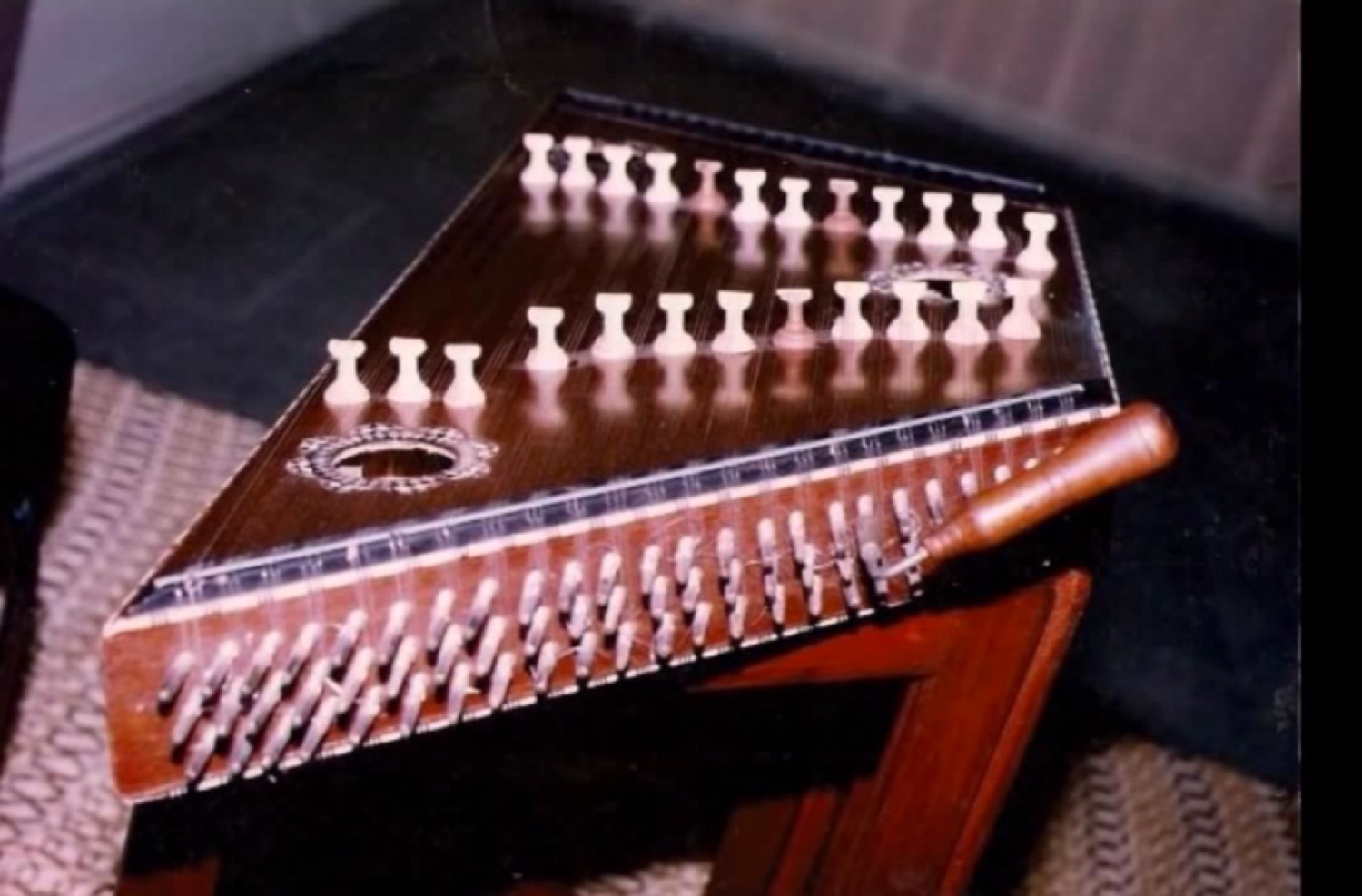
- Santur, a trapezoid hammered dulcimer with many strings, struck with light mallets;
- Joza, a spike fiddle whose small body was traditionally made from a coconut shell;
- Percussion, usually a frame drum (daff or riq) and a goblet drum known locally as tabla or dunbug.
In the twentieth century other instruments such as the oud and the violin also came to accompany maqam singers, especially on radio and recordings.
Singers to know
Muhammad al-Qubanchi, who lived from 1901 to 1989, is widely regarded as the great reformer of the Iraqi maqam and recorded extensively from the 1920s onward. Yusuf Omar was another celebrated voice of the mid-century, and Nazem al-Ghazali brought maqam-influenced song to a wide audience. In more recent decades Farida Mohammed Ali has become one of the best-known performers, notable as a woman in a tradition long dominated by men, and she has worked to teach the repertoire abroad.
Recognition and continuity
UNESCO proclaimed the Iraqi maqam a Masterpiece of the Oral and Intangible Heritage of Humanity in 2003, and it was later included on the Representative List of the Intangible Cultural Heritage. Recognition matters because the tradition is transmitted largely from teacher to student, and years of conflict and emigration scattered many of its practitioners. Today institutions in Baghdad and ensembles in the diaspora continue to teach and perform it.
Where to start listening
Look for archival recordings of al-Qubanchi, then compare them with modern concert performances by Farida's ensemble or other groups trained in Baghdad. Listen for the moment when the santur and joza fall silent and the voice holds a long, ornamented line alone; that is where the art of the qari' is most exposed. Like much classical music, the maqam rewards repeated listening more than a single hearing.