Masgouf, Dolma and Kleicha: A Guide to Iraqi Food
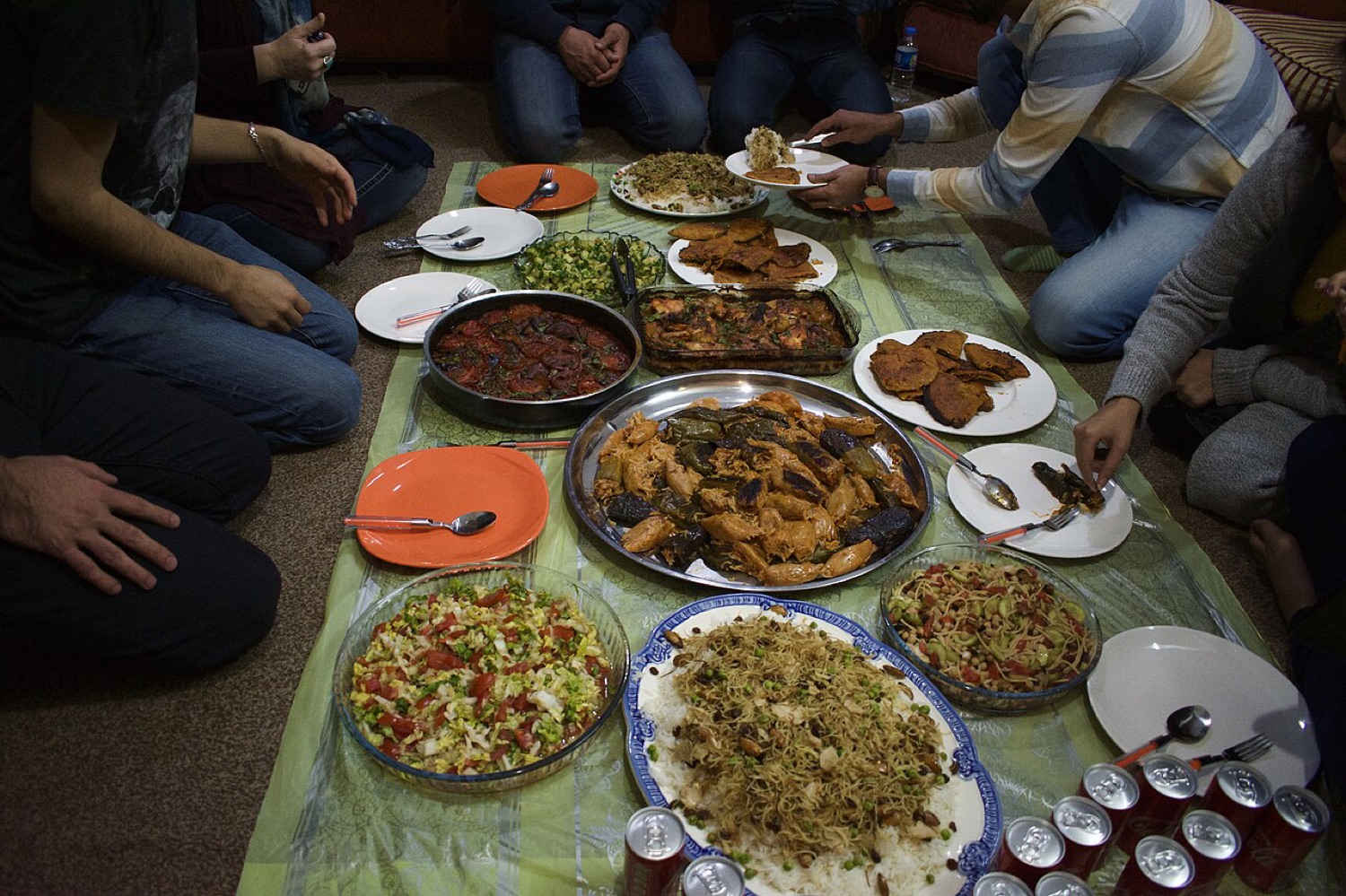
Iraqi cooking is generous, slow and built for sharing. From river fish grilled beside the Tigris to date-filled pastries at Eid, these are the dishes to know.
Iraqi food sits at a crossroads. It shares a great deal with the kitchens of Syria, Turkey and Iran, carries traces of trade with India through the port of Basra, and keeps dishes whose names and techniques go back to the medieval cookbooks of Abbasid Baghdad. Above all it is food for a full table: rice, bread, stews, pickles and salads served together and shared.
Masgouf
Often called the national dish, masgouf is river fish, usually carp, split along the back, opened flat, seasoned and grilled upright beside a fire of wood or palm fronds. It is cooked slowly until the flesh is smoky and soft, then served with bread, pickles, onion and a tomato or tamarind topping. Baghdad's Abu Nuwas Street, along the east bank of the Tigris, has long been known for masgouf restaurants.
Dolma
Iraqi dolma is a family project: vine leaves, onions, courgettes, aubergines, peppers and sometimes chard are stuffed with rice, minced meat, herbs and tomato, layered in a large pot and cooked together, often with a sour note from lemon or pomegranate molasses. The pot is turned upside down onto a tray at the table, which is part of the ceremony.
Kubba, quzi and timman
- Kubba comes in many forms, from the large, flat kubbat Mosul made with bulgur to kubbat halab with a crisp rice-based shell.
- Quzi is a festive dish of slow-cooked lamb served over spiced rice with nuts and raisins.
- Timman, rice, is the centre of most meals, often served with a stew such as bamia (okra in tomato sauce) or fasoulia (white beans).
- Tashreeb is bread soaked in a broth of meat or chickpeas, a filling winter breakfast.
Bread, pickles and amba
Samoon, a diamond-shaped bread baked in a clay oven, is sold hot from bakeries every morning, while khubz is a flat round bread. Pickles, called turshi, accompany almost everything. Amba, a tangy mango pickle with fenugreek that arrived from India through Basra, is spooned into sandwiches of falafel or fried aubergine with egg.
Sweet things and tea
Kleicha are small pastries filled with dates or nuts and scented with cardamom, baked in quantity before the Eid holidays and shared with neighbours. Dibis wa rashi, date syrup mixed with tahini, is a simple sweet eaten with bread. Iraq was once famous as one of the world's great date-growing countries, and dates appear everywhere, from breakfast to dessert.
Tea is served strong and sweet in small, waisted glasses called istikan, often brewed with cardamom. Offering tea is the first gesture of hospitality, and refusing every glass can seem cold; accepting at least one is the polite thing to do.