How Humanitarian Aid Works: A Plain Guide
Who decides where humanitarian aid goes, who delivers it and how is it coordinated? A plain-language guide to the system, written for curious readers.
When a crisis strikes, news reports often mention "the humanitarian response" as if it were a single organisation. In reality it is a network of many actors with different mandates, from United Nations agencies and the Red Cross and Red Crescent Movement to international and local non-governmental organisations, governments and community groups. This guide explains how the pieces fit together. It is general background only; we are not an aid organisation and we do not collect donations.
The principles
Humanitarian action is guided by four widely accepted principles. Humanity means human suffering must be addressed wherever it is found. Neutrality means not taking sides in hostilities or controversies. Impartiality means aid is given on the basis of need alone, without discrimination. Independence means humanitarian objectives stay separate from political, economic or military goals. The first three were set out by the UN General Assembly in 1991, and independence was added in 2004.
Who does what
- National governments have the primary role in assisting people on their territory; international aid is meant to support, not replace, them.
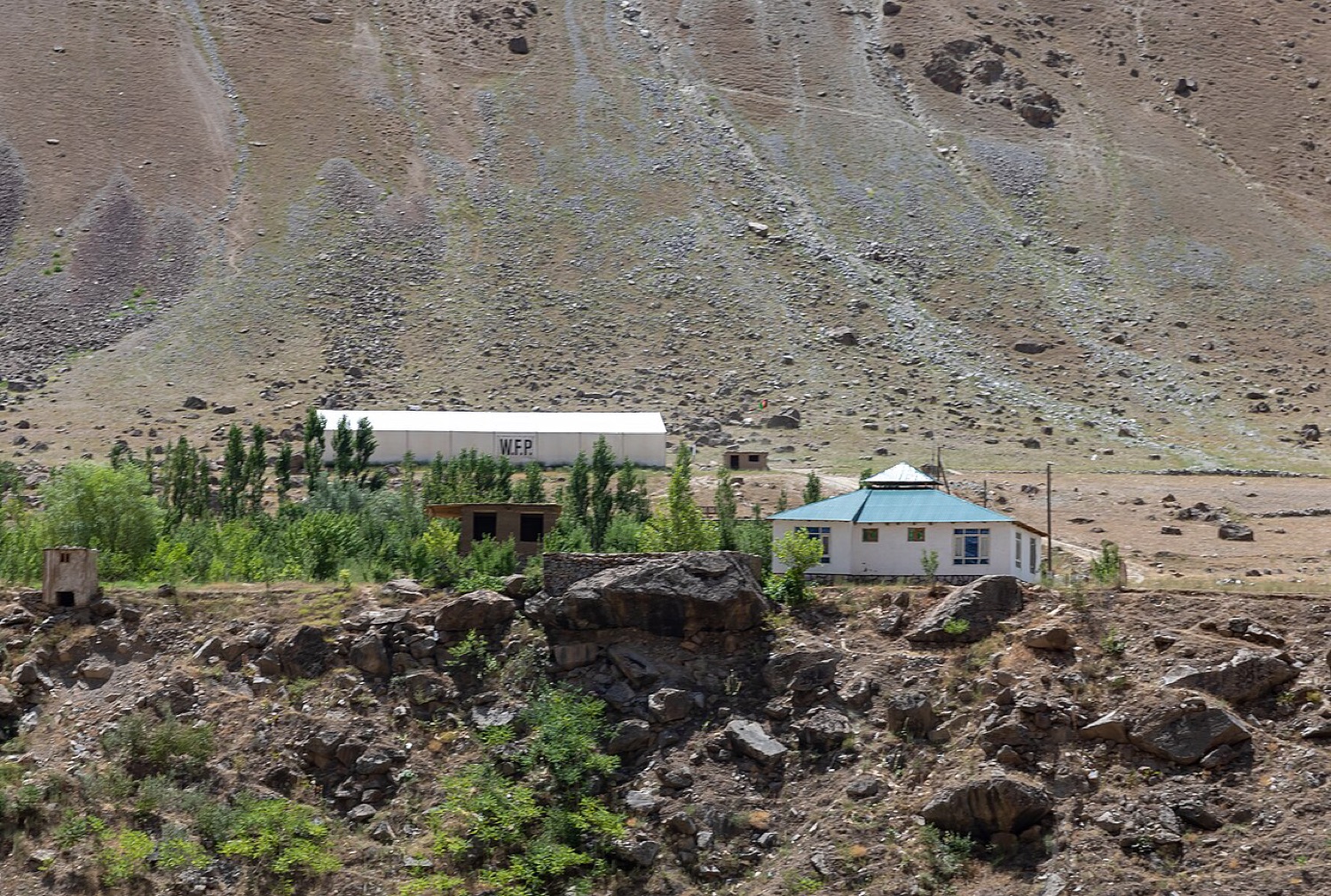
- UN agencies each have a mandate: UNHCR for refugees, WFP for food assistance and logistics, UNICEF for children, WHO for health, among others.
- OCHA, the UN Office for the Coordination of Humanitarian Affairs, coordinates planning and information and manages pooled funds.
- The Red Cross and Red Crescent Movement includes the ICRC, which works especially in armed conflict, the International Federation, and national societies such as the Iraqi Red Crescent.
- NGOs, both international and national, deliver a large share of services on the ground.
The cluster system
Since a reform process in 2005, large responses are often organised into "clusters", groups of organisations working in one sector such as health, shelter, food security, water and sanitation, protection or education. Each cluster has a lead agency that coordinates its work, so that gaps and duplications can be spotted. In a given country, clusters are activated or deactivated according to need.
Plans and money
In many crises, agencies prepare a joint assessment of needs and a response plan with a funding requirement. Donor governments, private foundations and the public then fund individual organisations or pooled funds. Emergency money can also come from the UN's Central Emergency Response Fund. Funding rarely matches stated needs, which forces difficult choices about priorities.
Accountability and local leadership
Two themes have grown in importance over the past decade. One is accountability to affected people: asking communities what they need, explaining decisions and providing ways to complain. The other is localisation, a commitment made by many donors and agencies in 2016 to give local and national organisations a larger role and more direct funding. Progress on both is debated, but they shape how responses are designed today.
A note on reading the news
Figures quoted during crises are often estimates that change as access improves. Good reporting says where a number comes from and how it was calculated. When you read about a response, it is worth asking who collected the data, who is coordinating, and whether local organisations are part of the picture. For definitions of the people aid is meant to reach, see our explainer on refugees, IDPs and returnees.